
Child Sexual Abuse is rampant. Nothing new there. But it’s surely time for us ostriches to take heads out of the sand and do something to help innocent littles.
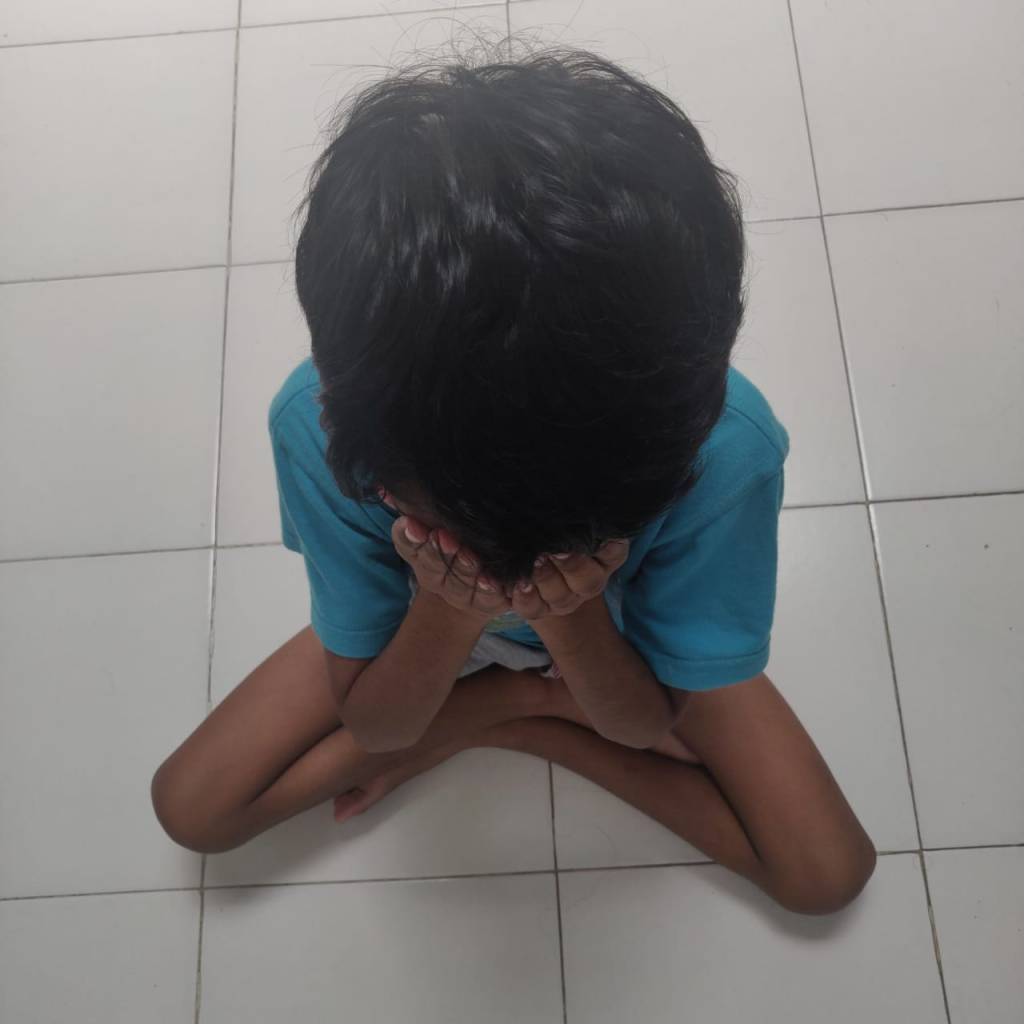
There was something I was made aware of very early on, as a child. It was never explicitly talked about, the topic never discussed. Yet I knew I had to watch out for it. And so I did.
When my own first child came, I watched her with the eyes of a hawk. She wasn’t allowed out of my sight for even three seconds. Strangers of all kinds were kept at arms’ length and I was suspicious of even “friends”. Around this time, I had figured out what it was called – child sexual abuse. I trained my two-year-old to react to uncomfortable situations (children have inkling when someone is acting weird) in case they ever came up. If someone touched her in a way that she felt uncomfortable about, Step 1 was ask them to stop, Step 2 was to scream, Step 3 was dig their eyes with as much force as possible. We had demos and more demos. I counted my bruised eyes worth the pain.
Years of casual chats with friends made me realize that 90% of my friends had been sexually-abused as children. And it was always, always someone they loved or their family trusted. Parents take note – sweetest cousin, doting step-parent, best friend’s parent, most-reliable family driver, kindest uncle, long-standing friend, the cream of the crop. Statistics say almost all abusers are known to the family, trusted and loved. I mean, how else do they gain access to the child, right?
Let’s define it. Child Sexual Abuse is the use of a child for an adult’s or older/stronger child’s sexual gratification. This includes sexual contact (or the attempt to), requesting or pressuring the child to, and indecent exposure to a child (physical or through media). While this single column cannot be an encyclopedia, my attempt is to shine a light.
What symptoms can parents look out for? In children, repeated stomach aches, sleep and eating disorders, vaginal or rectal discomfort, incessant headaches are physical symptoms. Children also tend to fare poorly at school, are withdrawn and very fearful. Though the child’s mind is what you should be concerned about, a medical test is the first step in case of a suspicion. The next step is to get professional help for the mind. The child/ family alone cannot deal with abuse and the complex repercussions. It certainly does not get better with time. “Shame” should be the last thing on your mind and “help” for the child should be the first.
Prevention: what can I do?
- Talk to children as early as possible about safe touch and unsafe touch. I’ve used simple online tools and videos that say (age-appropriately) only as much as is digestible.
- Take children’s reactions seriously. Watch how they react to “friends” and please don’t force them smile at, shake hands with or befriend people they are clearly not happy to.
- Think about the child first, even if it means making someone else uncomfortable. My children know they can count on me, even if the rest of the world thinks I’m over-reacting. Their trust = priceless.
- Make pro-child choices. The films we watch (if she’s confused/curious, she’ll check with Aunt Google when you’re not around), the people we hang out with, the activities we choose. Let them grow up in their own time, unrushed.
- Reach out and speak up if you know something is not right.
- Educate yourself. I’ve learnt so much from easily-accessible media.
Shutting it out and pretending it’s not there is passé; we all know it is. Sure someone has to do something; let’s start with me.
This column was first published in the Bangalore Mirror in November 2013
 myuncommonsense